Rocky Mountain Region
ZION NATIONAL PARK
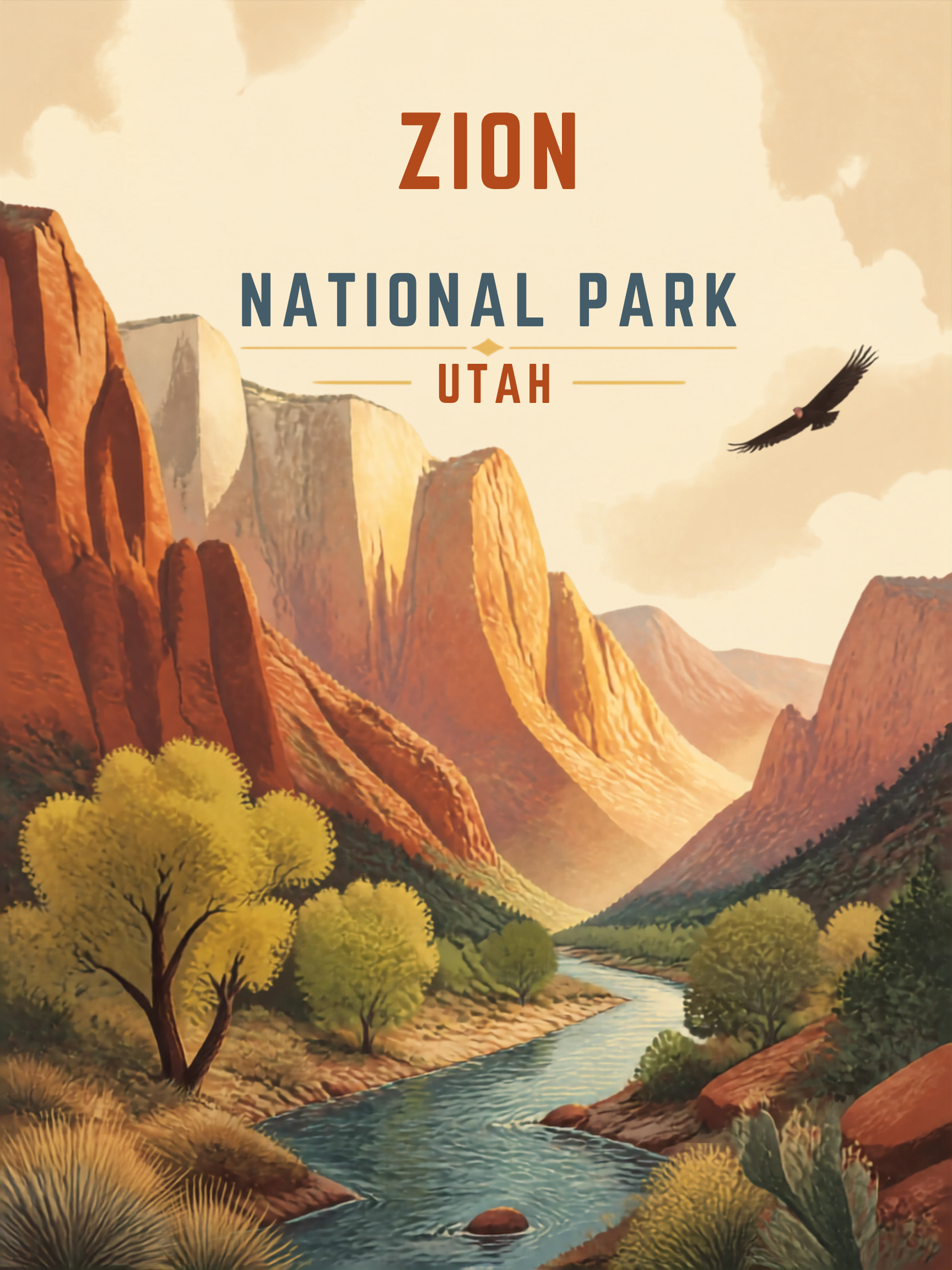
Prepare to be awestruck by the majestic beauty of Zion National Park, a natural wonderland boasting towering sandstone cliffs, winding canyons, and verdant forests. Spanning over 230 square miles in southern Utah, Zion offers a diverse array of outdoor adventures and breathtaking vistas. Whether you’re a seasoned hiker, an avid photographer, or simply seeking tranquility amidst nature, Zion promises an unforgettable experience for all.

Did You Know?
- Zion was Utah’s first national park and was established in 1919.
- The word “Zion” is a biblical term often interpreted as a place of refuge or sanctuary.
- Zion Canyon was carved by the North Fork of the Virgin River over millions of years.
- Angels Landing is considered one of the most famous and challenging day hikes in the National Park System.
- Zion’s elevation ranges from approximately 3,700 feet to more than 8,700 feet, creating diverse habitats and ecosystems throughout the park.

My Personal Experience
In the Old Testament, Zion was considered the dwelling place of God and a symbol of God’s presence. Seeing the sheer cliffs and the towering monoliths I wasn’t surprised at all that the local Mormon community used to call this place Zion. Like many other visitors, I limited my visits to Zion Canyon only. It has become more and more difficult to find parking at the Zion Canyon Visitor Center but taking the Shuttle is your only option (unless you visit in winter) to get into the Canyon. I like to stay on the shuttle to its final stop at the Temple of Sinawava, walk the Riverside Walk to the Mouth of the Zion Narrows, and work my way back to the Visitor Center – one shuttle stop at a time. I never hiked the Narrows. Wading through the Virgin river in knee- to chest-deep water felt intimidating and I was always like: I will do it on my next visit. Who knows? May be sometime I will. Weeping Rock (Shuttle Stop 7) is one of my favorites. Water trickles down through sandstone and moves laterally to the face of the cliff when it cannot penetrate the shale. It takes about 1000 years for water to travel through the sandstone. Sounds amazing? It certainly is. ‘Taking a shower’ in water that is 1000 years old is nothing you would do every day.
Basic Facts
Address:
Zion National Park
Springdale, UT 84767
Operation Hours and Seasons:
The park is generally open 24 hours a day, year-round. Some facilities may have seasonal closures or reduced hours.
Visitors:
Approximately 4.5 million per year (2021)
Entrance Fees:
- Private Vehicle: $35.00 for seven days
- Per Person: $20.00 for individuals entering on foot, bicycle, or motorcycle for seven days
Website:
nps.gov/zion
Map:
nps.gov/zion/planyourvisit/maps.htm
Additional Information:
For additional local information, visit zionpark.org.

Best Time to Visit
Spring and fall are generally the best times to visit Zion National Park. Comfortable temperatures, excellent hiking conditions, and pleasant weather make these seasons ideal for exploring the park.
Summer brings long days and full access to trails and facilities, but it also brings crowds and extreme heat. Temperatures in Zion Canyon frequently exceed 100°F.
Winter is often overlooked and can be an excellent time to visit. Crowds are significantly smaller, the shuttle system may not be operating, and visitors can enjoy direct access to Zion Canyon Scenic Drive. Snow occasionally dusts the canyon rims and creates beautiful photographic opportunities.

Recommended Time
1 Day: Ride the Zion Canyon Shuttle to the Temple of Sinawava, hike the Riverside Walk, visit Emerald Pools, and explore several viewpoints along the canyon. If available, drive the Zion-Mount Carmel Highway and stop at the major overlooks.
2-3 Days: The ideal amount of time for most visitors. Hike several of the park’s signature trails, explore Zion Canyon in greater depth, photograph the park during sunrise and sunset, and spend time along the Zion-Mount Carmel Highway.

Getting There
Zion National Park is conveniently accessible by car:
From the west, take Highway 9 from Interstate 15 near St. George, UT, to the park entrance.
From the east, take Highway 9 from US-89 near Mount Carmel Junction, UT, to the park entrance.
Please note that lots fill early year-round. Park in designated spaces only. You can also park in Springdale and the ride the free Zion Canyon Shuttle (Springdale Line). There are stops art various hotels and restaurants in the town. Last stop is the Zion Canyon Village. Walk to the Zion Canyon visitor center for the Zion Canyon Line into Zion Canyon. Zion Canyon Scenic Drive is only accessible by shuttle when the Zion Canyon Shuttle System is operating.

Weather
Zion experiences a diverse climate, with each season offering its own unique charm:
- Spring (March – May): Upper 30s to mid-80s°F (4–30°C). Mild temperatures, blooming wildflowers, and occasional showers make spring ideal for hiking and photography.
- Summer (June – August): mid-90s to 100°F (35–38°C). Warm to hot temperatures, clear skies, and minimal rainfall make summer perfect for outdoor activities. Be prepared for crowds, especially in popular areas like Zion Canyon.
- Fall (September – November): 30s to low 90s°F (3–33°C). Crisp temperatures, vibrant foliage, and fewer crowds characterize fall in Zion. It’s an excellent time for hiking and wildlife viewing.
- Winter (December – February): low 50s to upper 50s°F (11–15°C). Cool to cold temperatures, occasional snowfall, and serene landscapes make winter a peaceful time to visit. Some trails and facilities may be closed or have limited accessibility.
Hiking
Zion offers a wide range of hiking trails catering to all skill levels and interests:
Easy:
- Riverside Walk – 2.2 miles round trip: A paved path along the Virgin River, offering scenic views of towering canyon walls.
- Lower Emerald Pools Trail – 1.2 miles round trip: A leisurely hike leading to picturesque waterfalls and lush hanging gardens.
Moderate:
- Watchman Trail – 3.3 miles round trip: A moderate climb to a viewpoint overlooking lower Zion Canyon, Towers of the Virgin, and Springdale, offering panoramic vistas of the surrounding landscape. This hike should take you about 2 hour. There are minor drop-offs.
- Hidden Canyon – 2.5 miles out and back: A challenging but rewarding hike featuring stunning views and the chance to explore a hidden canyon. It’s closed as of December 2024. Please check the park’s website for current conditions.
Strenuous:
- Angels Landing – 5.4 miles round trip: One of Zion’s most famous hikes, featuring steep switchbacks and sheer drop-offs en route to a breathtaking viewpoint. This trail is most likely the most extreme activity to do – unless you are into canyoneering. Don’t go if you are afraid of heights. You need to apply for permit to hike this trail. Permits are based on a lottery system. Please check recreation.gov and don’t go without one. Rangers will check hikers along the trail.
- The Narrows – 9.4 miles out and back: A unique adventure through the narrowest section of Zion Canyon, where you’ll wade through the Virgin River amidst towering walls of rock. You are responsible for checking weather, water levels, and potential of flash floods. You’ll get wet on this up to 8 hours hike. So have some spare clothes in your car or a friend waiting for you with some.
In addition to hiking, Zion offers a variety of outdoor activities for adventurers of all ages:
Rock Climbing
Test your skills on Zion’s sandstone cliffs, with routes available for climbers of all experience levels.
Canyoneering
Explore Zion’s slot canyons and narrow gorges on a thrilling canyoneering adventure, rappelling down waterfalls and navigating obstacles with the guidance of experienced guides.
Ranger Programs
Enhance your visit with ranger-led programs and interpretive talks offered throughout the park:
Join guided hikes, evening programs, and wildlife viewing excursions led by knowledgeable park rangers.
Learn about the park’s geology, ecology, and cultural history through informative presentations and interactive activities.

Scenic Drives
- Zion-Mount Carmel Highway: One of the most scenic roads in the National Park System. The route climbs from Zion Canyon through a series of switchbacks, passes through the historic Zion-Mount Carmel Tunnel, and provides access to numerous overlooks and trailheads.
- Zion Canyon Scenic Drive: This road forms the heart of the park experience. During most of the year, access is restricted to the shuttle system. Visitors are transported to trailheads, viewpoints, and attractions throughout Zion Canyon.
- Kolob Canyons Road: Located in the northwestern section of the park, this five-mile scenic drive provides access to dramatic red rock canyons, overlooks, and hiking trails while receiving far fewer visitors than Zion Canyon.
Best Viewpoints
- Canyon Overlook: One of the best effort-to-reward hikes in the park. The viewpoint provides spectacular views of lower Zion Canyon and the Zion-Mount Carmel Highway.
- Angels Landing: The summit offers some of the most dramatic views found anywhere in the National Park System.
- Court of the Patriarchs: A classic Zion viewpoint featuring three towering sandstone peaks named Abraham, Isaac, and Jacob.
- Kolob Canyons Viewpoint: Provides sweeping views of the park’s less-visited northwestern section.
- Temple of Sinawava: The gateway to the Narrows and one of the most impressive locations within Zion Canyon.
Wildlife Viewing
Zion’s diverse elevations and habitats support an impressive variety of wildlife. Visitors frequently encounter mule deer throughout Zion Canyon, particularly during the early morning and evening hours. Wild turkeys are common, while bighorn sheep are occasionally seen on rocky slopes and cliffs. Birdwatchers may spot peregrine falcons, California condors, golden eagles, and numerous songbirds. More elusive residents include mountain lions, bobcats, and ringtails. Spring and fall generally offer the best wildlife viewing opportunities.

Photography
Zion is one of the premier photography destinations in the American Southwest.
- Sunrise Photography: Early morning light illuminates the towering sandstone walls of Zion Canyon and creates dramatic contrasts between the canyon floor and the surrounding cliffs.
- Sunset Photography: The Watchman, Court of the Patriarchs, and many viewpoints along the Zion-Mount Carmel Highway are particularly beautiful during the final hours of daylight.
- Canyon Photography: The Narrows, Riverside Walk, and many side canyons provide opportunities to capture the immense scale and beauty of Zion’s sandstone walls.
- Landscape Photography: The Zion-Mount Carmel Highway and Kolob Canyons offer countless opportunities for panoramic landscape photography.
- Night Photography: Zion’s dark skies provide excellent opportunities for astrophotography, particularly away from Springdale and other developed areas.
Horseback Riding
Horseback riding remains one of the classic ways to experience Zion Canyon. Guided horseback and mule rides operate from the corrals near Zion Lodge and travel along designated trails within Zion Canyon. Riders experience the canyon from a unique perspective while learning about the area’s geology, history, and ecology. Current guided ride information is available through the park’s authorized concessioner: canyonrides.com.
Check the park’s website at nps.gov/zion/planyourvisit/horseback-riding.htm for information on stock use in the park. Visitors bringing their own stock should review current National Park Service regulations and trail restrictions before arrival. You do not need a permit for day trips and stock animals must remain on trails when trails are present.

General Aviation
Getting to Zion in a small airplane is a bit difficult. The towns of Kanab, St. George, and Cedar city are practical gateways for GA pilots.
Kanab Municipal Airport (KKNB) in Kanab, UT:
- One of the most convenient airports for visitors approaching Zion from the east.
- Approximately 30 miles from the East Entrance
- Longest runway: 6,200 feet
- 100LL available
- Rental cars available on a limited basis
- Excellent base for Zion, Bryce Canyon, and the North Rim of the Grand Canyon
St. George Regional Airport (KSGU) in St. George, UT:
- The most practical airport for many visitors.
- Approximately 45 miles southwest of Zion
- Longest runway: 9,300 feet
- 100LL available
- Reliable rental car availability
- Full-service FBO facilities
Cedar City Regional Airport (KCDC) in Cedar City, UT:
- A useful alternative with excellent access to southern Utah.
- Approximately 58 miles northwest of Zion
- Longest runway: 8,652 feet
- 100LL available
- Rental cars available
Pilots should carefully consider density altitude during the summer months, particularly at higher-elevation airports such as Cedar City and Kanab. Mountainous terrain surrounds much of the region, and strong winds, turbulence, and afternoon thunderstorms are not uncommon. Flying through southern Utah is spectacular, but careful planning is essential, especially for pilots unfamiliar with mountain operations.
Nearby Attractions
- Bryce Canyon National Park: Home to the world’s largest concentration of hoodoos and one of the most unique landscapes in North America.
- Grand Staircase-Escalante National Monument: Protects nearly two million acres of canyons, cliffs, plateaus, and remote desert wilderness.
- Springdale: The gateway community to Zion offers lodging, restaurants, outfitters, and excellent visitor services.
- Kanab: A charming southwestern town often used as a base for exploring Zion, Bryce Canyon, and several nearby public lands.
- Cedar Breaks National Monument: A spectacular natural amphitheater located at over 10,000 feet above sea level and often described as a high-elevation cousin of Bryce Canyon.

Important Tips
- Use the Shuttle System: During most of the year, private vehicles are not permitted on Zion Canyon Scenic Drive. Familiarize yourself with the shuttle routes before your visit.
- Start Early: Popular trails such as Angels Landing and the Narrows become crowded quickly. Early starts provide cooler temperatures and fewer visitors.
- Respect Flash Flood Warnings: Never enter the Narrows or slot canyons if flash flood conditions are possible.
- Carry Plenty of Water: Summer temperatures in Zion Canyon can be extreme. Dehydration is one of the most common visitor safety issues.
- Secure Angels Landing Permits: A permit is required for Angels Landing. Apply well in advance and carry your permit during the hike.
- Do Not Underestimate Distances: Although many viewpoints appear close together, hiking in the canyon environment can be physically demanding.
- Explore Beyond Zion Canyon: Many visitors never visit Kolob Canyons or the east side of the park, yet both areas offer outstanding scenery and fewer crowds.
Zion National Park is one of the most iconic landscapes in the American West. Towering sandstone cliffs, narrow slot canyons, hanging gardens, and the winding Virgin River combine to create a destination unlike any other. Whether you are standing beneath the massive walls of Zion Canyon, hiking to Angels Landing, exploring the Narrows, or simply riding the shuttle through the canyon, Zion leaves a lasting impression on nearly every visitor.
For many travelers, Zion becomes a benchmark against which other national parks are measured. Its combination of accessibility, scenery, adventure, and natural beauty makes it one of the crown jewels of the National Park System and an essential stop on any journey through the American Southwest.


