Rocky Mountain Region
MESA VERDE NATIONAL PARK
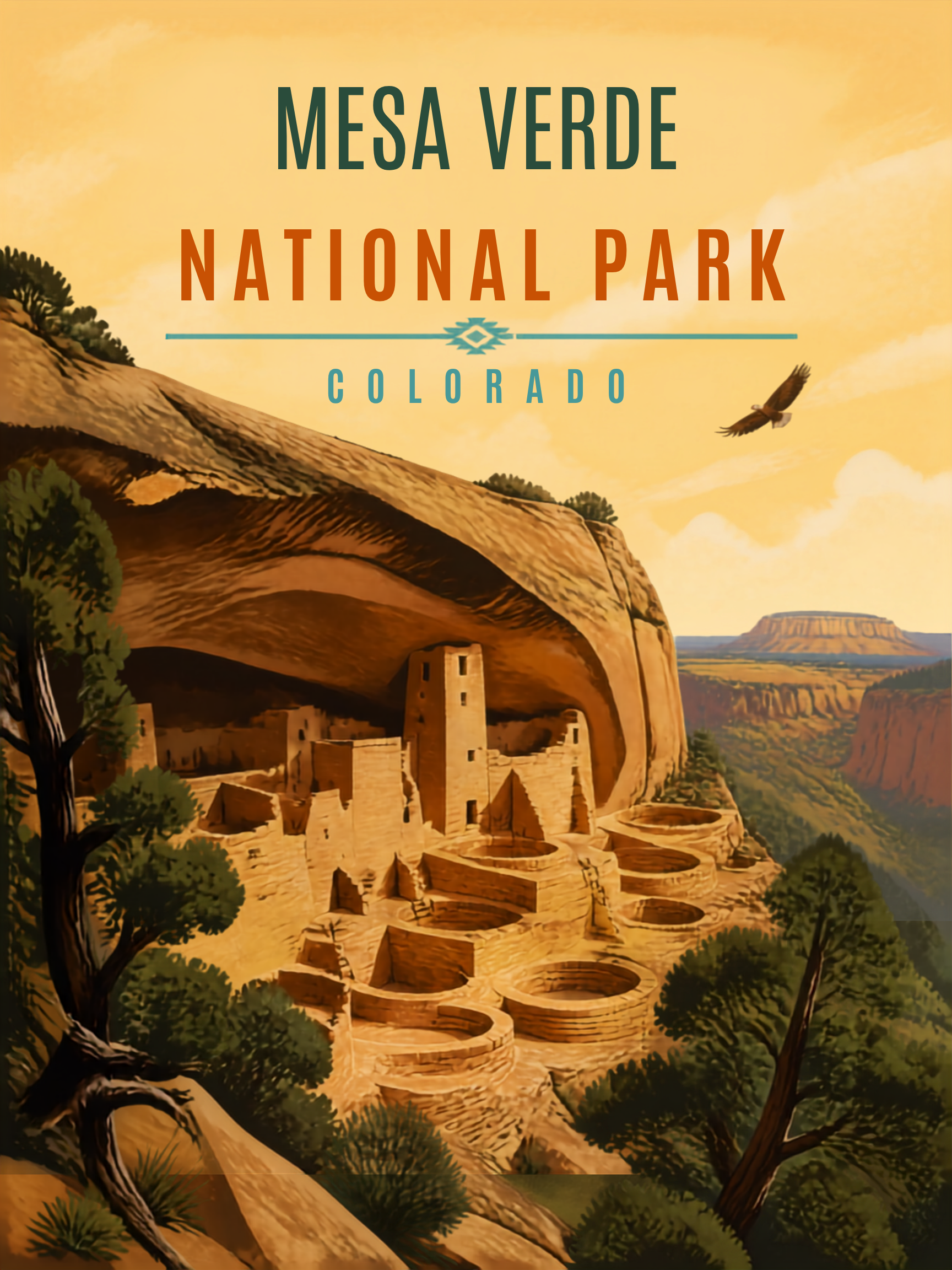
Welcome to Mesa Verde National Park, a captivating UNESCO World Heritage Site located in southwestern Colorado. Spanning over 52,000 acres, Mesa Verde is renowned for its exceptionally preserved ancestral Puebloan cliff dwellings, which date back over 700 years. Here’s your comprehensive guide to exploring this fascinating archaeological wonder:

Did You Know?
- Mesa Verde contains nearly 5,000 known archaeological sites, including more than 600 cliff dwellings.
- Cliff Palace is the largest cliff dwelling in North America and contains approximately 150 rooms and 23 kivas.
- Mesa Verde was designated a UNESCO World Heritage Site in 1978.
- More than twenty modern Native American tribes maintain ancestral and cultural connections to Mesa Verde.

My Personal Experience
I had learned about the Apache, Cherokee, Navajo, Sioux tribes at school but little did I know about the Anasazi or Ancestral Puebloans. Not to mention that I hadn’t seen a cliff dwelling before my visit. If you are physically able to, get a ticket, join a Ranger-led tour, climb ladders and travel back in time to 1200 AD. I am grateful that I had the opportunity to learn so much about this sophisticated society. The Anasazi were originally nomadic hunter-gatherers but eventually adopted agriculture and settled in the cliff dwellings. Fascinating what people were able to built without all the modern tools and equipments. Listening to the Ranger, the whole place came alive. It really felt like being there in 1200 AD. It’s amazing what we found out from archeological records but one big question remains: why did they leave and abandon the cliff dwellings around 1300 AD? Was there a drought that forced them to move or did the alien mothership return and picked them up? Curious? Go there, listen, learn, and find out.
Basic Facts
Address:
Mesa Verde National Park
34879 Hwy 160
Mancos, CO 81328
Operation Hours and Seasons:
The park is generally open 24 hours a day, year-round. Some facilities might be closed in winter.
Visitors:
Approximately 650,000 per year (2021)
Entrance Fees:
- Private Vehicle – $30.00 admits one private, non-commercial vehicle and all its occupants
- Per Person – $15.00
Website:
nps.gov/meve
Map:
nps.gov/meve/planyourvisit/maps.htm
Additional Information:
For additional local information, visit visitmesaverde.com.

Best Time to Visit
Late spring through early fall is generally the best time to visit Mesa Verde National Park. Ranger-led cliff dwelling tours operate during this period, and all major roads, overlooks, and visitor facilities are typically open.
Summer offers the fullest visitor experience but also brings the largest crowds and warm temperatures. Spring and fall provide more comfortable hiking conditions and excellent opportunities for photography.
Winter can be rewarding for visitors seeking solitude, but some roads, facilities, and archaeological sites may be closed or inaccessible due to weather conditions.

Recommended Time
1 Day: Focus on Chapin Mesa and take at least one ranger-led cliff dwelling tour. Visit Cliff Palace, Mesa Top Loop Road, several overlooks, and the Chapin Mesa Archaeological Museum.
2-3 Days: The ideal amount of time for most visitors. Tour multiple cliff dwellings, hike Petroglyph Point, explore both Chapin Mesa and Wetherill Mesa, and spend additional time learning about Ancestral Puebloan culture.

Getting There
Mesa Verde National Park is easily accessible by car:
From the west, take US Highway 160 from Cortez, Colorado, to the park entrance.
From the east, take US Highway 160 from Durango, Colorado, to the park entrance.

Weather
Mesa Verde National Park experiences a high desert climate, characterized by mild winters and warm summers. Here’s an overview of the average weather throughout the year:
Winter (December – February): 35°F to 45°F (2°C to 7°C). Occasional snowfall, with an average snow depth of around 8 to 12 inches. Some facilities and roads may be closed during winter months, so check ahead before planning your visit.
Spring (March – May): 50°F to 70°F (10°C to 21°C). Occasional rain showers, with an average precipitation of around 1 to 2 inches per month. Ideal for hiking and exploring the park’s archaeological sites.
Summer (June – August): 80°F (27°C) and occasionally reaching over 90°F (32°C). Clear skies and minimal rainfall, making it perfect for outdoor activities. Crowds peak during the summer months, so plan accordingly.
Fall (September – November): 50°F to 70°F (10°C to 21°C). Crisp mornings and cooler evenings, with temperatures dropping into the 40s°F (4-9°C). Fall foliage adds vibrant colors to the landscape, making it a picturesque time to visit.
Hiking
Mesa Verde offers a variety of hiking trails that lead to ancient ruins, mesa-top vistas, and natural landmarks. Please keep in mind that it is illegal to hike off trail in Mesa Verde. Stay on designated trails. Here are some recommended hikes:
Moderate:
- Petroglyph Point – 2.6 miles round trip: The gated! trail head is located at the Chapin Mesa Archeological museum. Make sure to check online before arriving. Hikers are supposed to register at the gate. This trail offers some views of Spruce Tree House
- Point Lookout Trail – 2.2 miles round trip: This hike offers stunning vistas of the Montezuma Valley and the San Juan Mountains. It’s an excellent choice for capturing panoramic landscape photographs.
Guided Cliff Dwelling Tours
A visit to Mesa Verde would be incomplete without a tour of Cliff Palace and / or Balcony House:
Balcony House Trail: Balcony House is a smaller structure Cliff Palace. However, this tour is the more adventurous one. You will climb a 100-ft staircase into the canyon, clamber through a 12-ft long tunnel and climb a 32-ft ladder. Tickets are available in the locations mentioned afore.
Cliff Palace: Cliff palace is the most iconic and largest under-the rim cliff dwelling. Ranger-led tours are conducted daily between May and mid-September. Witness the architectural marvels of the ancient Puebloans while enjoying panoramic views of the surrounding canyons. You must be able to climb several ladders. Tickets can be purchased up to two days in advance at any of the park’s visitor centers or at the Durango Welcome Center in nearby Durango.

Scenic Drives
- Mesa Top Loop Road: This six-mile self-guided driving tour provides access to many of the park’s most significant archaeological sites and overlooks. Visitors can explore pit houses, pueblos, cliff dwelling viewpoints, and interpretive exhibits that tell the story of the Ancestral Puebloans.
- Chapin Mesa Road: The park’s main scenic route travels from the visitor center into the heart of Mesa Verde and provides access to Cliff Palace, Spruce Tree House overlooks, museums, trailheads, and numerous scenic viewpoints.
- Wetherill Mesa Road: Open seasonally, this scenic drive leads to a quieter section of the park where visitors can explore Long House and enjoy a less crowded experience.
Best Viewpoints
- Park Point Overlook: At 8,572 feet, Park Point is the highest location in the park and offers panoramic views extending across Colorado, New Mexico, Arizona, and Utah on clear days.
- Sun Point View: One of the best locations for viewing several cliff dwellings from a distance while appreciating how the Ancestral Puebloans utilized the natural alcoves.
- Cliff Palace Overlook: Provides an excellent perspective of the park’s most famous archaeological site and highlights the remarkable scale of the settlement.
- Geologic Overlook: Offers expansive views of the Montezuma Valley and helps visitors understand the broader landscape surrounding Mesa Verde.
Wildlife Viewing
Mesa Verde protects not only archaeological treasures but also a diverse ecosystem. Visitors frequently encounter mule deer grazing along roadsides and open meadows. Wild turkeys are commonly seen throughout the park, while golden eagles, hawks, and numerous songbirds patrol the skies above the mesas and canyons. More patient observers may also spot coyotes, black bears, or bobcats. Early morning and evening generally provide the best opportunities for wildlife viewing.

Photography
Mesa Verde is a treasure trove for photographers, especially those interested in ancient history and rugged landscapes. Here are some photography highlights:
- Cliff Dwellings: Capture the unique architecture of the cliff dwellings against the sandstone cliffs. Early morning and late afternoon light can enhance the textures and colors of the structures.
- Sunset at Far View Sites: The Far View Sites offer distant views of the La Plata Mountains and are a fantastic spot for photographing the sunsets over the vast landscape.
- Wildlife Photography: Mesa Verde is home to diverse wildlife, including mule deer, wild turkeys, and various bird species. Keep your camera ready to capture these creatures in their natural habitat.
Horseback Riding
While Mesa Verde National Park does not offer horseback riding within the park, guided horseback tours are available from outfitters in the nearby towns of Mancos and Cortez, offering scenic rides through the park’s backcountry. There was a herd of introduced horses in the park. However, as they were considered feral or trespassing livestock, they never became protected wildlife. They caused damage to the cultural sites and the park decided to remove the horses by the end of 2024.

General Aviation
As a private pilot, you can experience Mesa Verde National Park from a bird’s-eye view by flying into the Cortez or Durango airports. Rental cars are available at both with Durango offering higher availability.
Cortez Municipal Airport (KCEZ) in Cortez, CO:
- The most convenient airport for visiting Mesa Verde National Park. Excellent access to Mesa Verde and the Four Corners region
- Approximately 10 miles from the park entrance
- Longest runway: 7,204 feet
- 100LL available
Durango–La Plata County Airport (KDRO) in Durango, CO:
- Approximately 45 miles from the park
- Longest runway: 9,201 feet
- 100LL available
Enjoy stunning aerial views of Mesa Verde’s cliff dwellings, rugged canyons, and expansive landscapes as you approach the airport.
Pilots operating in southwestern Colorado should pay close attention to density altitude, particularly during the summer months. The airport environment combines high field elevations with warm temperatures, which can significantly affect aircraft performance. Mountainous terrain surrounds much of the region, and afternoon winds and turbulence are not uncommon. Weather conditions can change rapidly near the San Juan Mountains, making careful preflight planning essential.
Nearby Attractions
- Four Corners Monument: The only location in the United States where four states meet. Visitors can stand simultaneously in Colorado, Utah, Arizona, and New Mexico.
- Canyons of the Ancients National Monument: Protects one of the highest concentrations of archaeological sites in North America and serves as an excellent complement to Mesa Verde.
- Durango, Colorado: This historic mountain town offers restaurants, museums, and access to the famous Durango & Silverton Narrow Gauge Railroad.
- Monument Valley: One of the most iconic landscapes of the American West, located within reasonable driving distance of Mesa Verde.
- Canyon of the Ancients Visitor Center and Museum: Provides additional insight into the cultures and history of the Ancestral Puebloan people who inhabited the Four Corners region.
Important Tips
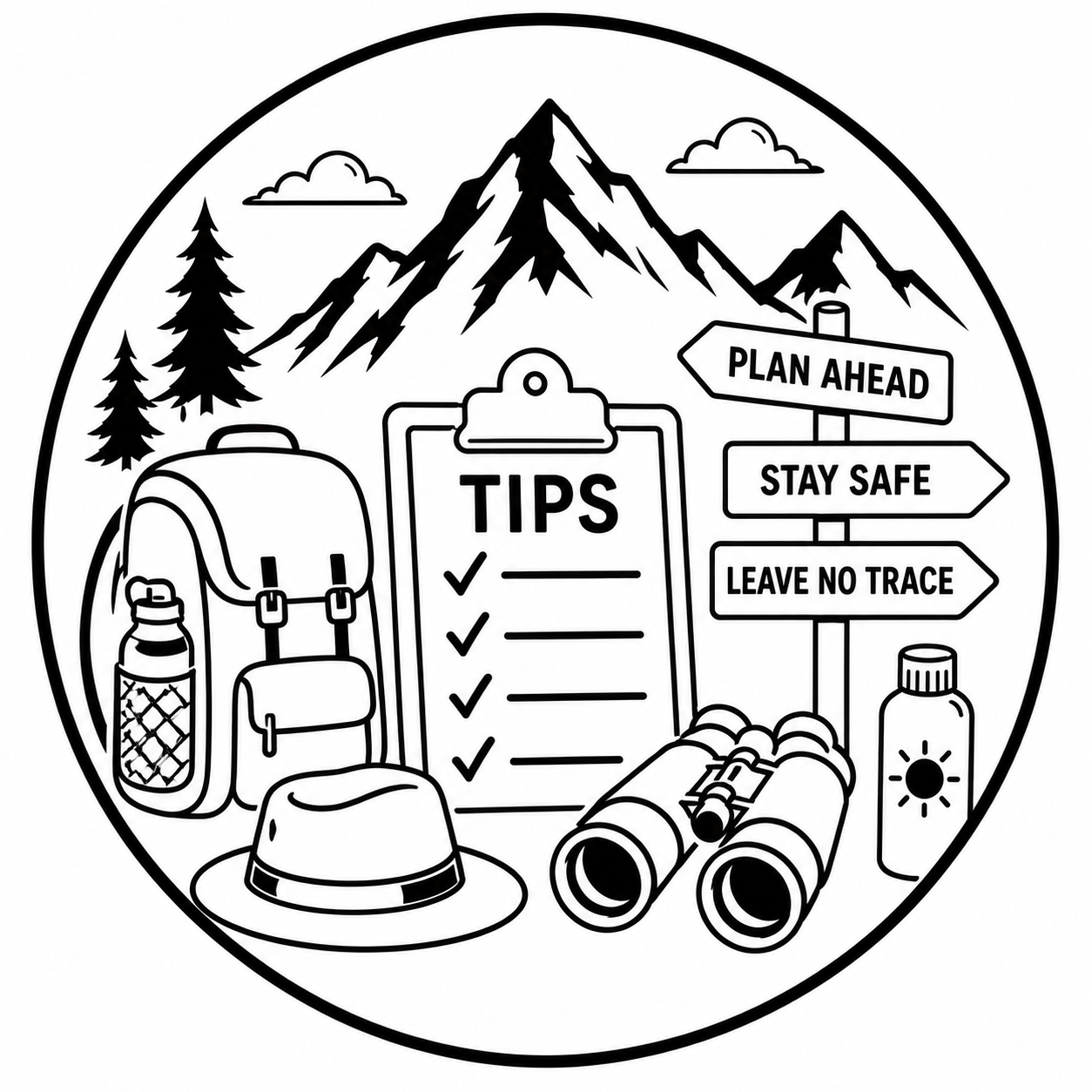
- Reserve Cliff Dwelling Tours Early: The ranger-led tours are among the highlights of any visit and frequently sell out during peak season.
- Be Prepared to Climb: Many cliff dwelling tours require climbing ladders, navigating uneven terrain, and negotiating narrow passages.
- Respect Cultural Resources: Mesa Verde remains culturally significant to many Native American tribes. Treat all archaeological sites with respect and never touch or remove artifacts.
- Plan for Driving Time: The park road extends more than 20 miles from the entrance to the main archaeological areas. Allow more time than you might initially expect.
- Stay Hydrated: Mesa Verde’s elevation ranges from approximately 6,000 to over 8,500 feet. The dry climate and higher elevation can affect visitors who are unaccustomed to such conditions.
- Check Seasonal Closures: Tour schedules, roads, and facilities vary throughout the year. Confirm current conditions before arriving.
- Permits and Regulations: Before engaging in any activities in Mesa Verde National Park, familiarize yourself with park regulations, permit requirements, and safety guidelines. Obtain necessary permits for hiking, camping, and horseback riding, and adhere to all posted signs and instructions from park rangers
- Cultural Demonstrations: Experience the rich cultural heritage of the ancestral Puebloan people through ranger-led demonstrations and interpretive programs. Watch demonstrations of traditional pottery making, basket weaving, and other ancient crafts at the Chapin Mesa Archaeological Museum.
Mesa Verde National Park offers something found nowhere else in the National Park System. While many parks preserve dramatic landscapes, Mesa Verde preserves the story of the people who once called those landscapes home. The cliff dwellings, ceremonial structures, and archaeological sites provide a remarkable window into a sophisticated civilization that thrived in the American Southwest for centuries.
Whether you are climbing ladders into Cliff Palace, studying ancient petroglyphs, or standing on a mesa-top overlook, Mesa Verde encourages visitors to look beyond the scenery and reflect on the people who lived here long before European settlement. It is one of the most fascinating and educational national parks in the United States and a place that will leave you with far more questions than answers, which is part of its enduring appeal.


