Southeast Region
VIRGIN ISLANDS NATIONAL PARK
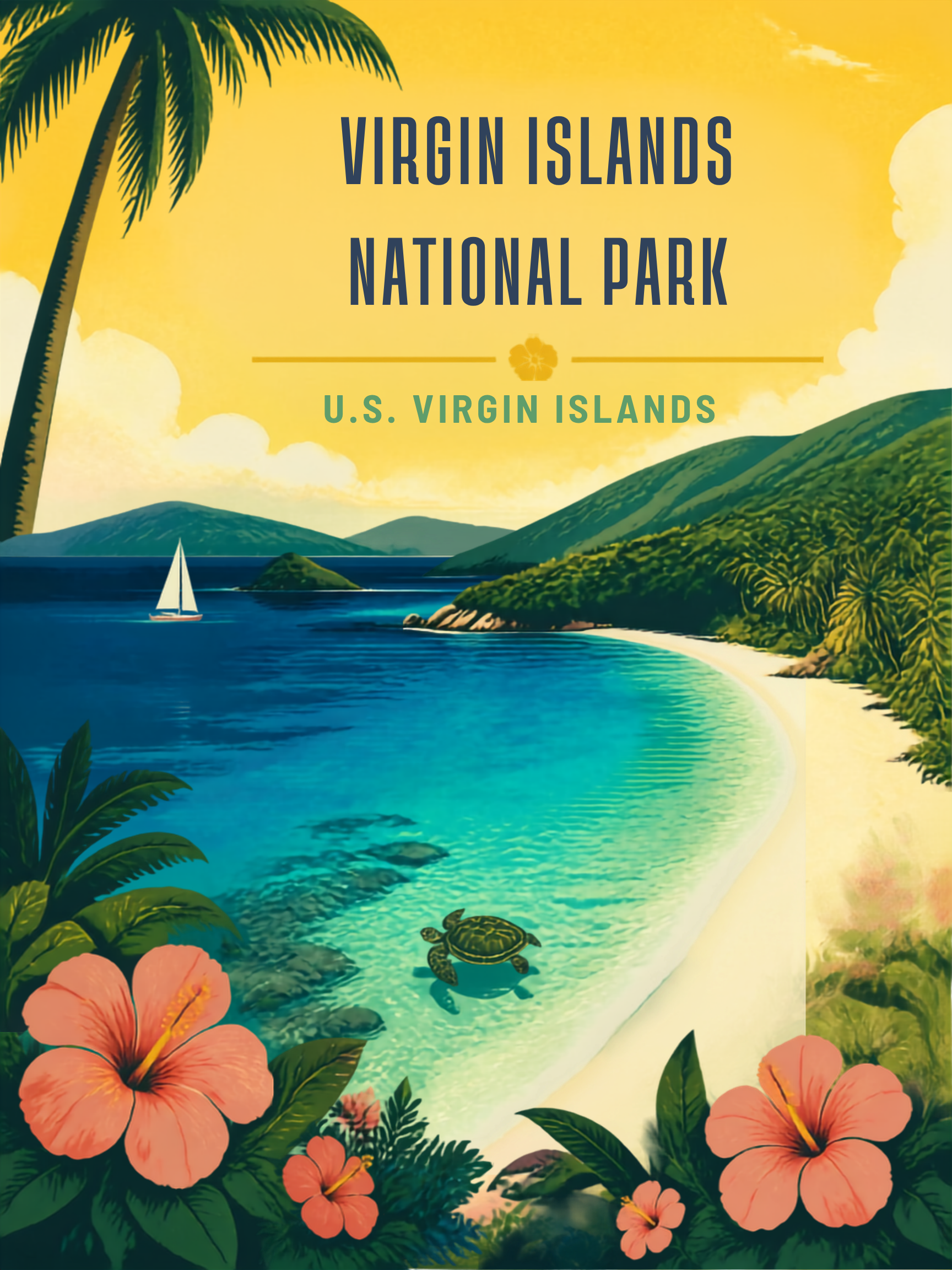
Welcome to Virgin Islands National Park, a tropical paradise located primarily on the island of Saint John in the Caribbean. Famous for its turquoise waters, coral reefs, white-sand beaches, tropical forests, and historic sugar plantation ruins, the park protects one of the most beautiful coastal landscapes in the National Park System both above and below the waterline.

Did You Know?
- Trunk Bay features one of the world’s most famous underwater snorkeling trails with submerged interpretive signs
- Parts of the park protect underwater ecosystems with more than 400 species of reef fish and over 50 coral species
- Historic ruins scattered throughout the park are remnants of former sugar plantations and warehouses tied to the Caribbean colonial era
- Roughly 60% of St. John is protected as national park land.

My Personal Experience
The United States Virgin Islands are another U.S. territory that happen to be home to a national park and one that feels completely different from almost every other park in the system.
We visited in February and flew from the mainland to Saint Thomas. U.S. citizens arriving from the mainland or Puerto Rico can use a state-issued ID, although I personally would always recommend bringing a passport when traveling to U.S. territories. It simply makes life easier.
We stayed on St. Thomas, rented a car which immediately becomes interesting because they drive on the left side of the road and took the ferry over to Saint John.
Most of the park is either on or surrounding St. John, and to really experience it properly, you need to spend time both on land and in the water. The Caribbean sun was absolutely relentless, even in February. Sunscreen, water, hats, and lightweight clothing are essential. We started the day hiking from the visitor center area and explored some of the plantation ruins, which are absolutely worth visiting. The combination of tropical scenery and colonial history gives the park a very unique atmosphere compared to mainland parks.
Unfortunately, we had to return to St. Thomas later that afternoon, which meant we could not fully explore the island interior. Instead, we picked one of the beaches and simply enjoyed the incredibly clear turquoise water. My wife went snorkeling while I enjoyed the scenery from shore.
The ferry itself was also memorable. Vehicles are packed onto it with what feels like millimeters of clearance on each side. It definitely adds a little Caribbean adventure to the day.
Before heading back, we spent some time in Cruz Bay enjoying restaurants and bars near the ferry terminal and closed out the evening on St. Thomas with a few adult beverages.

Basic Facts
Address:
Virgin Islands National Park
1300 Cruz Bay Creek
St. John, VI 00830
Operation Hours and Seasons:
The park is open year-round, 24 hours a day.
Visitors:
Over 400,000 per year (2022)
Entrance Fees:
The park does not charge an entrance fee.
Website:
nps.gov/viis
Map:
nps.gov/viis/planyourvisit/maps.htm
Additional Information:
For additional local information, visit visitusvi.com.

Best Time to Visit
The winter months (December to March) offer ideal conditions but are busy and expensive. The shoulder season April to June offers a perfect combination of fair weather and reasonable pricing. Avoid hurricane season from July through technically November. Water temperatures remain warm year-round.

Recommended Time
1 Day: Enough time to explore major highlights on St. John including beaches, scenic overlooks, short hikes, and snorkeling and St. Thomas if you stay there.
2-3 Days: Ideal for combining hiking, snorkeling, beach time, historic ruins, and exploration of multiple sections of the island. Stay longer if you would like to visit St. Croix or other Caribbean destinations like Puerto Rico, or the British Virgin Islands.

Getting There
The closest major city is Charlotte Amalie, St. Thomas with many connections to the mainland. From St. Thomas, drive or taxi to Red Hook or Charlotte Amalie ferry terminals and take a passenger or car ferry to Cruz Bay on St. John. Most park areas are accessible from Cruz Bay by rental car, taxi, or safari taxis.

Weather
Virgin Islands National Park experiences a tropical Caribbean climate year-round:
- Spring (March to May): 70s to 80s°F (21-27°C). Warm temperatures with lower humidity and occasional rain showers.
- Summer (June to August): 80s to 90s°F (27-32°C). Hot, humid conditions with intense tropical sunshine.
- Fall (September to November): 70s to 80s°F (21-27°C). Warm weather but higher potential for tropical storms and hurricanes.
- Winter (December to February): 70s to 80s°F (21-27°C). Pleasant trade winds and lower humidity make this peak tourist season.
UV exposure is extremely intense year-round. Hydration and sunscreen are essential. Brief tropical showers are common throughout the year and often pass quickly. Weather conditions can vary considerably between sunny beaches, higher elevations, and exposed coastal areas.

Hiking
Virgin Islands National Park contains roughly 40 miles of hiking trails through tropical forests, coastlines, and historic plantation areas:
Easy:
- Cinnamon Bay Nature Trail – 0.5 mile loop: A short interpretive trail featuring tropical vegetation, plantation ruins, and fragrant bay rum trees. It provides an excellent introduction to the island’s natural and cultural history.
- Francis Bay Trail – 0.5 mile loop: A peaceful boardwalk trail through wetlands and salt ponds with excellent birdwatching opportunities and occasional wildlife sightings.
Moderate:
- Ram Head Trail – 2.6 miles out and back: One of the park’s signature hikes leading to dramatic cliffs and sweeping views of the Caribbean Sea.
Strenuous:
- Reef Bay Trail – 2.2 miles one way: Descends through tropical forest past petroglyphs, sugar mill ruins, and some of the island’s oldest trees before reaching the coast. Consider arranging transportation from the trail’s lower end, as the return climb can be strenuous in tropical heat.
- Bordeaux Mountain Trail – 2.5 miles round trip: Climbs toward the highest point on St. John, offering panoramic views of surrounding islands and the Caribbean Sea.
- Lind Point Trail – 2.4 miles out and back: Connects Cruz Bay and Honeymoon Beach with several scenic overlooks and beautiful coastal scenery along the way.
Snorkeling and Diving
The underwater portion of the park is just as spectacular as the land areas. Popular snorkeling areas include Trunk Bay, Cinnamon Bay, and Maho Bay. Snorkelers might see sea turtles, rays, reef fish and coral formations. Guided snorkeling and diving tours are available from local outfitters.
Cultural Tours
The park protects important remnants of Caribbean plantation history including sugar mill ruins, stone windmills, petroglyphs, and historic plantation remains. These historic sites help tell the complex history of colonization, slavery, and trade in the Caribbean.

Scenic Drives
St. John is relatively small, and scenic drives are short but beautiful. The North Shore Road is the best option spanning 5 miles from Cruz Bay, Trunk Bay, Cinnamon Bay to Maho Bay. Expect narrow roads, sharp curves, steep grads, and outstanding coastal viewpoints. Taxis can work well for visitors who prefer not to drive.

Best Viewpoints
- Trunk Bay Overlook: One of the most photographed locations in the Caribbean, offering spectacular views of Trunk Bay’s white sand beach and turquoise waters.
- Peace Hill Windmill Ruins: Historic plantation ruins combined with panoramic views of Hawksnest Bay, Denis Bay, and surrounding coastline.
- Ram Head: Located at the southern tip of St. John, this viewpoint rewards hikers with rugged cliffs, open-ocean scenery, and expansive views toward nearby islands.

Wildlife Viewing
Virgin Islands National Park protects both terrestrial and marine ecosystems, making wildlife viewing as rewarding underwater as it is on land. Sea turtles are among the park’s most beloved residents and are frequently seen while snorkeling in bays such as Maho Bay and Cinnamon Bay. On land, visitors may encounter deer, iguanas, mongoose, and numerous tropical bird species. Beneath the surface, colorful reef fish, rays, and coral communities create one of the richest marine environments found in any national park. Early morning and late afternoon are often the best times for wildlife activity.

Photography
Virgin Islands National Park is a dream destination for photographers:
- Midday Water Photography: Unlike many parks, midday sunlight often works well because it enhances the bright turquoise water colors.
- Underwater Photography: Bring waterproof gear for snorkeling and marine photography opportunities.
- Sunrise & Sunset: Soft tropical lighting creates dramatic beach and coastline scenery.
- Tropical Landscapes: Palm trees, ruins, beaches, and crystal-clear water provide endless compositions.
- Historic Ruins: Sugar plantations, windmills, and stone structures create unique opportunities to combine tropical scenery with Caribbean history.

Horseback Riding
Horseback riding is not permitted in the park. Some private operators outside the park occasionally offer riding experiences elsewhere in the Virgin Islands.

General Aviation
Cyril E. King Airport (STT) on St. Thomas is closest to the park as there are no public airports on St. John’s. Flying general aviation aircraft into the Caribbean requires serious planning and overwater experience. For most visitors, commercial travel is strongly recommended.
Cyril E. King Airport (TIST) in Charlotte Amalie, VI:
- Located on the island of St. Thomas
- 7,000 asphalt runway
- 100LL available
- Rental car available but ferry connection required to reach St. John.
Overwater flying from Florida involves long ocean crossings. Tropical weather systems can develop rapidly. Trade winds and turbulence are common. Ferry logistics must still be considered after arrival on St. Thomas. Pilots should carefully review customs, immigration, and overwater equipment requirements before conducting Caribbean flights.

Nearby Attractions
- Buck Island Reef National Monument: Exceptional snorkeling and coral reef ecosystem near St. Croix
- Coral Reef National Monument: Protects additional marine ecosystems surrounding St. John and complements the national park’s underwater resources.
- Christiansted: Historic Danish colonial town on St. Croix
- British Virgin Islands: Nearby island-hopping opportunities
- Puerto Rico: Easy regional extension with additional national park sites

Important Tips
- Sun Protection: Caribbean sun exposure is extremely intense even during winter months.
- Transportation: Ferries, taxis, and rental cars all work, but planning transportation in advance makes visits smoother.
- Driving: Traffic drives on the left side of the road throughout the U.S. Virgin Islands.
- Hurricane Season: Weather disruptions become more likely from summer through late fall.
- Snorkeling Gear: Bringing your own gear can save money and allows more flexibility.
- Water Safety: Ocean conditions can change quickly. Always respect currents and reef environments.
- Cruise Ship Crowds: Days when multiple cruise ships are in port on St. Thomas can significantly increase ferry traffic and visitor numbers at popular beaches.
Virgin Islands National Park feels like a tropical paradise hidden inside the National Park System. The combination of turquoise water, coral reefs, white-sand beaches, tropical forests, and Caribbean history creates an experience unlike any mainland national park. Whether you hike through lush hillsides, snorkel above coral reefs, photograph Trunk Bay, or simply relax under swaying palms, the park captures the essence of the Caribbean while still carrying the unmistakable identity of a U.S. national park.


